
H-Beam Laser Cutting: Holes, Web Cutouts and Flange Bevels
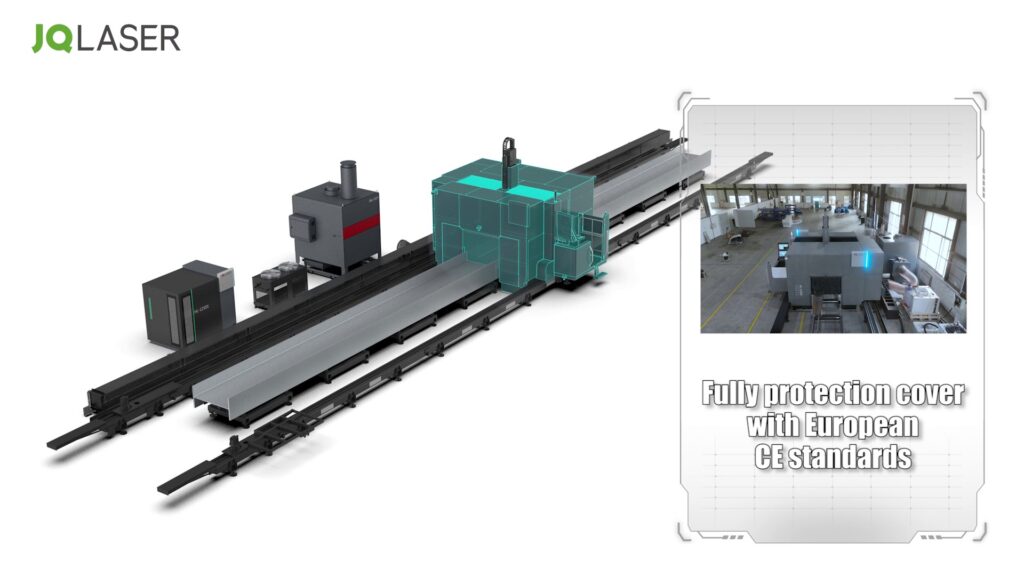
H-beam laser cutting brings several beam-processing operations into a CNC-controlled workflow. Depending on the specified machine configuration and part geometry, these operations can include cutting to length, producing holes and cutouts, preparing beveled edges, and marking parts for identification or assembly. For steel fabricators, the purchasing decision starts with the beams and connection details they […]
Square and Rectangular Tube Laser Cutting: Holes, Slots and Notches
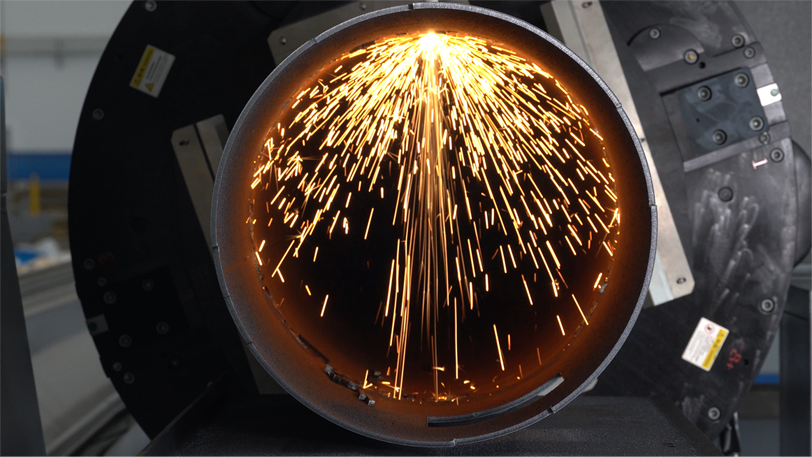
Square and rectangular tube laser cutting can produce mounting holes, slots, end cuts and notches in hollow metal sections. These features appear in machinery frames, equipment supports, racks, furniture components and fabricated assemblies. For a manufacturer considering a tube laser, the most useful starting point is the finished part. A mounting hole must line up […]
Tube Laser Sample Cutting: What to Check Before Buying

A tube laser sample cutting test should help you answer a practical question: can the proposed machine and process produce parts that meet your production requirements? A finished sample shows the result of one test. To judge whether that result is relevant to your workshop, you also need to understand the drawing requirements, material, machine […]
How to Choose a Plate Laser Working Area for Your Sheet Sizes
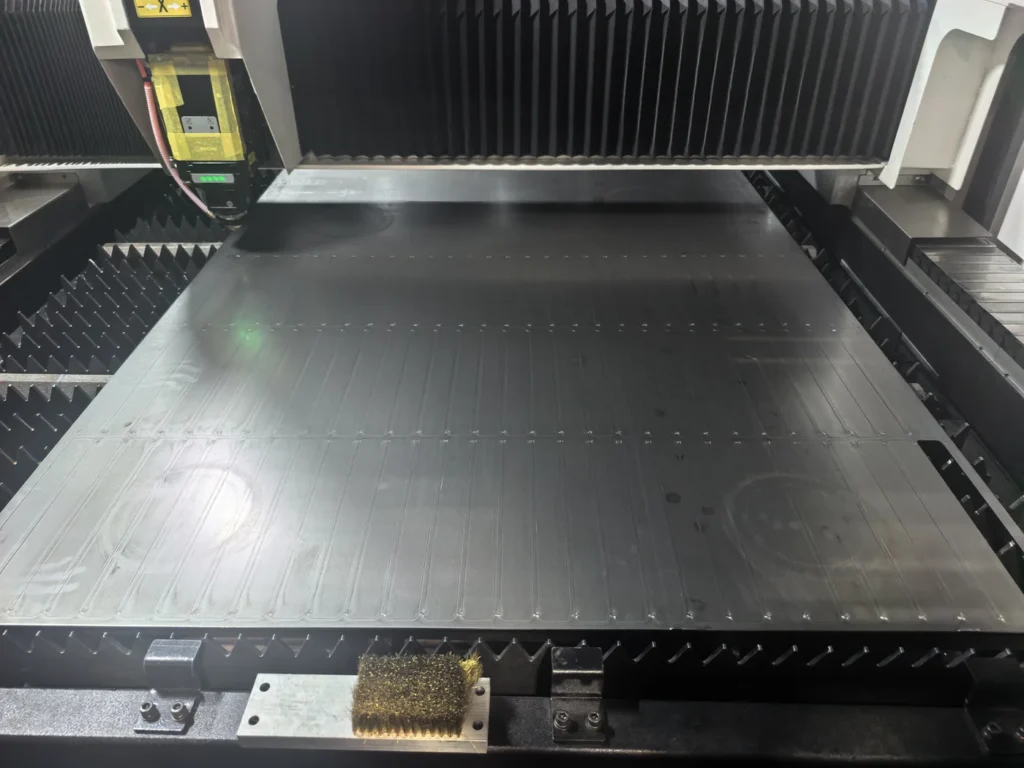
Choosing a plate laser cutting machine starts with a practical question: will the proposed working area accommodate the sheets and parts you actually process? A model name helps identify a machine, but it is not a substitute for confirmed working dimensions. Review sheet width and length, part layouts, positioning requirements and material handling before selecting […]
How to Choose a Heavy-Duty Tube Laser Cutting Machine
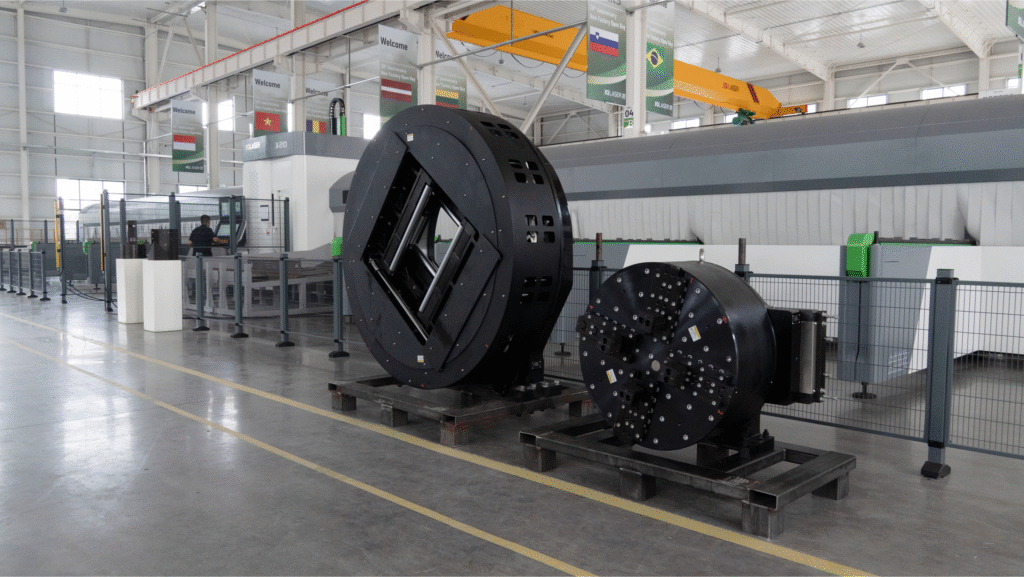
A heavy-duty tube laser cutting machine should be selected around the material you handle and the parts you deliver. Maximum tube diameter and laser power are useful starting points, but they do not tell you whether a system can load a long, heavy tube, support it throughout cutting and unload the finished components reliably. For […]
Fiber Laser Bevel Cutting: Technology, ROI, and 2026 Buyer’s Guide
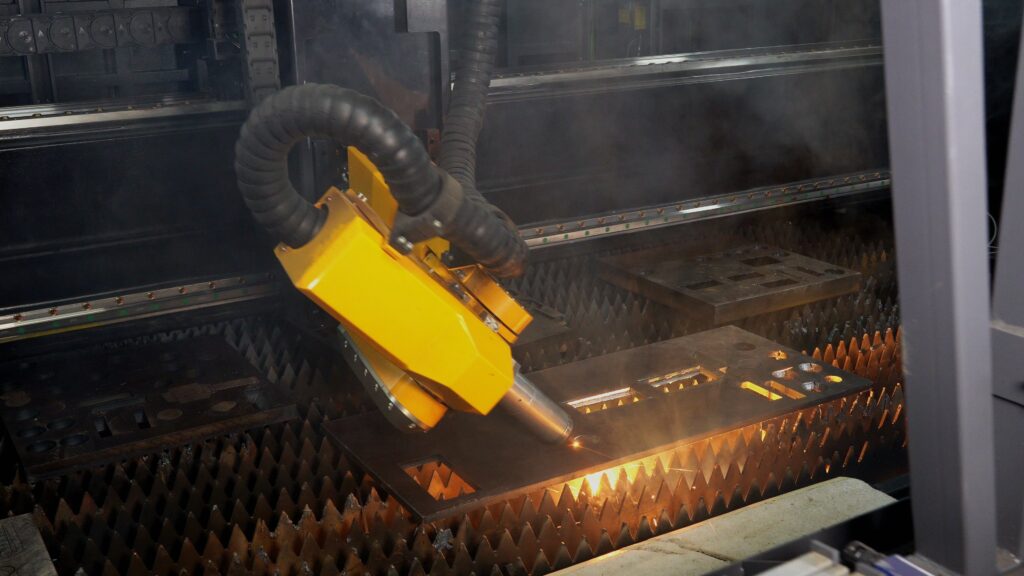
In modern heavy fabrication, shipbuilding, pressure vessels, and steel construction, cutting parts to size is only half the battle. The true bottleneck almost always lies in weld preparation—milling, planing, and manual grinding to produce accurate V, Y, X, or K-shaped bevels before parts can reach the welding station. For decades, fabricators relied on multi-step workflows: flame […]
Tube Laser vs Plasma Cutting: Which One Is Right for Your Business?

If you cut pipes, tubes and profiles for a living, the laser-versus-plasma question comes up on every serious equipment purchase. Plasma tables have been the workhorse of structural shops for decades. Fiber laser tube cutting machines have been taking over a growing share of that work since the late 2010s. Which one should your shop buy — […]
Laser Cutting in Shipbuilding 2026: Market Boom, Applications and Machine Selection
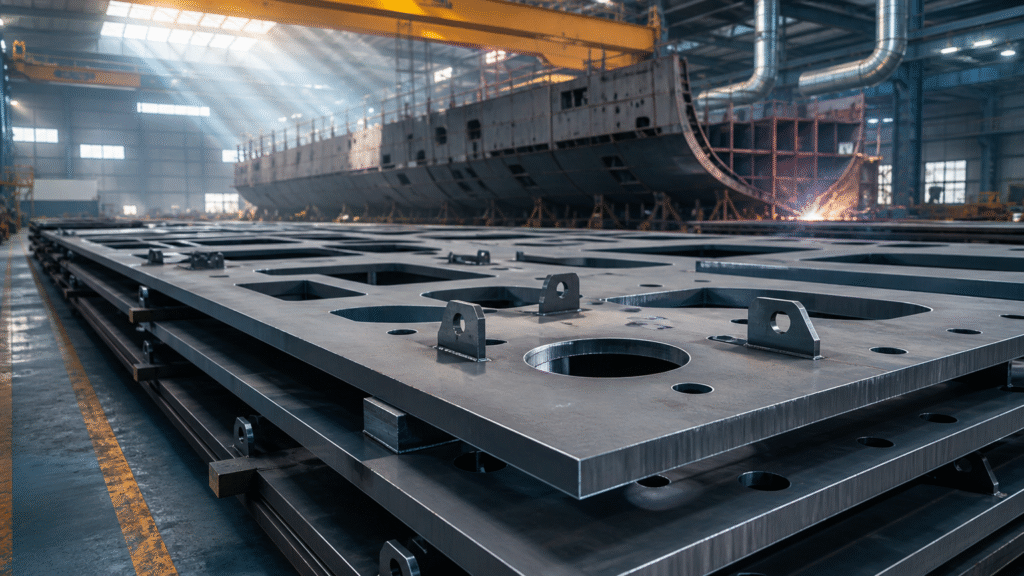
Shipbuilding is in the middle of a historic order boom, and laser cutting is moving from a niche tool to a standard part of shipyard production. This guide looks at the 2026 market picture, where laser cutting genuinely earns its place in a shipyard (and where it does not yet), and how to choose the […]
JQ Laser i Series Tube Cutting Machine: Models, Specs & 2026 Buying Guide
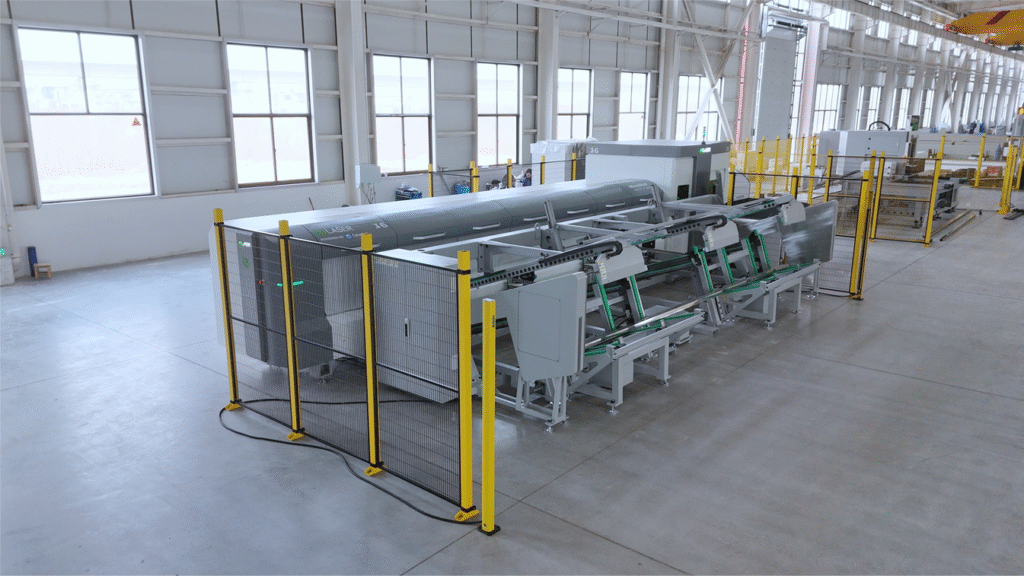
he JQ Laser i series is the current flagship family of fiber laser tube cutting machines from JQ Laser (established 2006, machines installed in more than 150 countries). Developed by JQ Laser and enhanced with MicroStep CyberFab — European Industry 4.0 production software — the i series covers a complete range of models from the compact i6 to the […]
Fiber Laser Cutting Machine: The Complete 2026 Buyer’s Guide
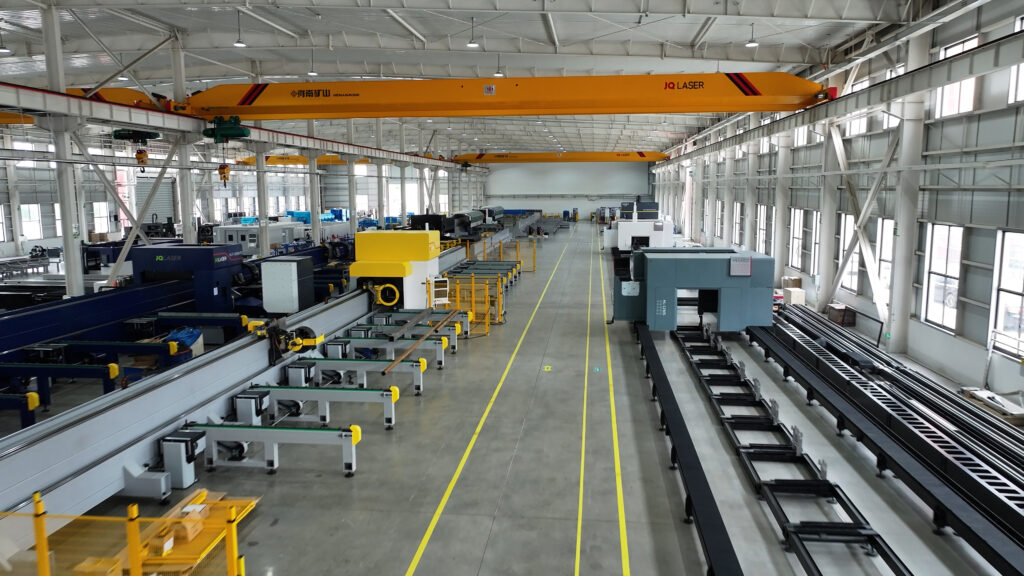
Choosing a fiber laser cutting machine is not simply about buying the highest laser power available. For most metal fabrication businesses, the right machine depends on four things: material, thickness, part size, and production volume. For many general fabrication applications, a 3000W or 6000W fiber laser cutting machine can cover a large proportion of daily […]