
Tube Laser Notching: Saddle Cuts and Fit-Up for Round Tubes
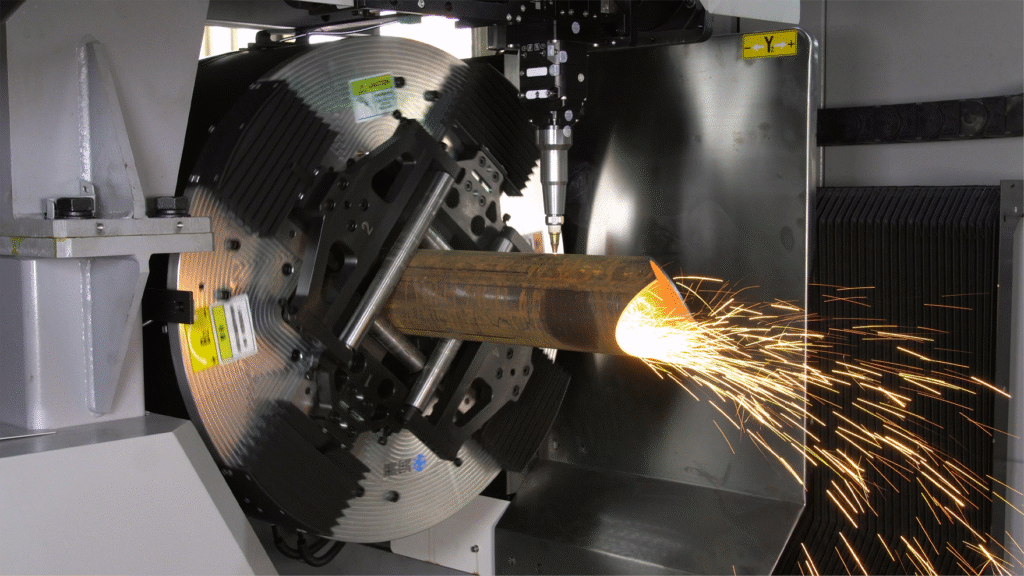
Tube laser notching produces shaped openings or end contours in metal tubing. For round tube assemblies, a common example is a saddle-shaped end that meets the outside surface of another tube. For equipment buyers, the important question is whether the cut component fits the intended assembly. That requires a review of both tubes, their intersection […]
H-Beam Laser Cutting: Holes, Web Cutouts and Flange Bevels
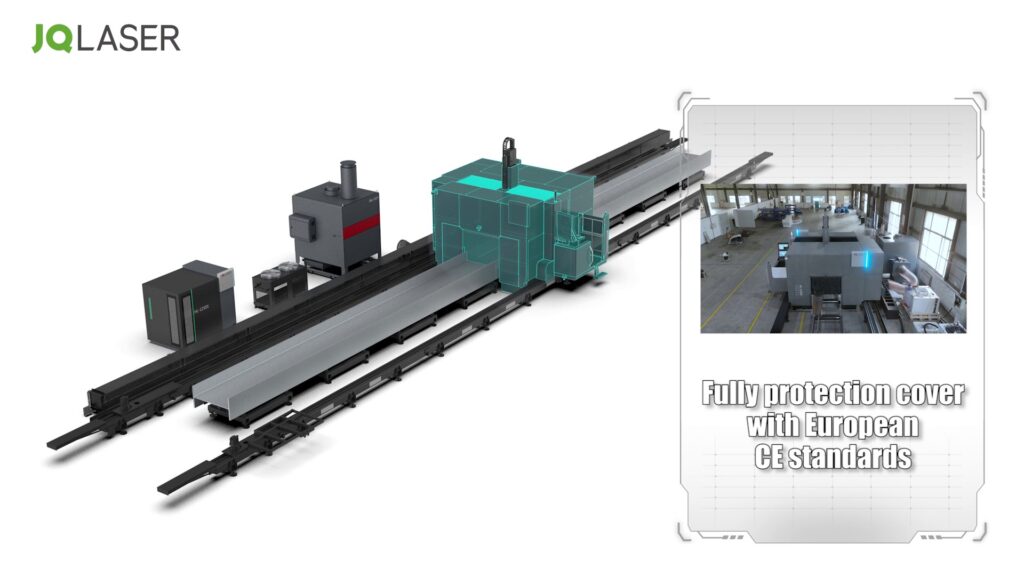
H-beam laser cutting brings several beam-processing operations into a CNC-controlled workflow. Depending on the specified machine configuration and part geometry, these operations can include cutting to length, producing holes and cutouts, preparing beveled edges, and marking parts for identification or assembly. For steel fabricators, the purchasing decision starts with the beams and connection details they […]
Square and Rectangular Tube Laser Cutting: Holes, Slots and Notches
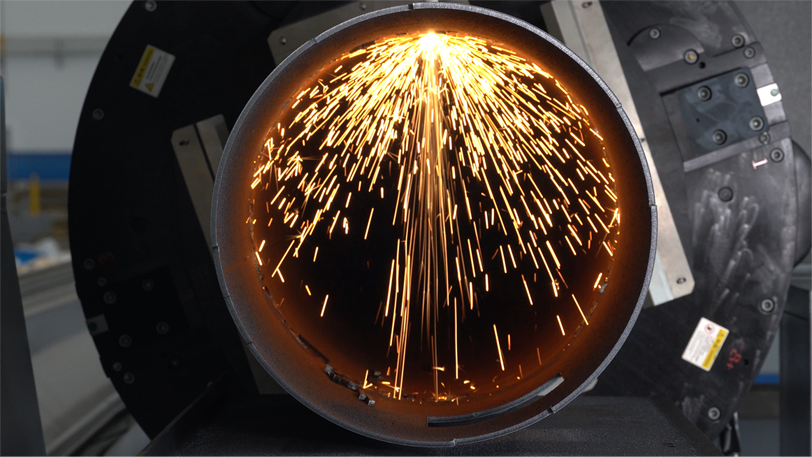
Square and rectangular tube laser cutting can produce mounting holes, slots, end cuts and notches in hollow metal sections. These features appear in machinery frames, equipment supports, racks, furniture components and fabricated assemblies. For a manufacturer considering a tube laser, the most useful starting point is the finished part. A mounting hole must line up […]
When Is Automatic Loading Worth It for Tube Laser Cutting?
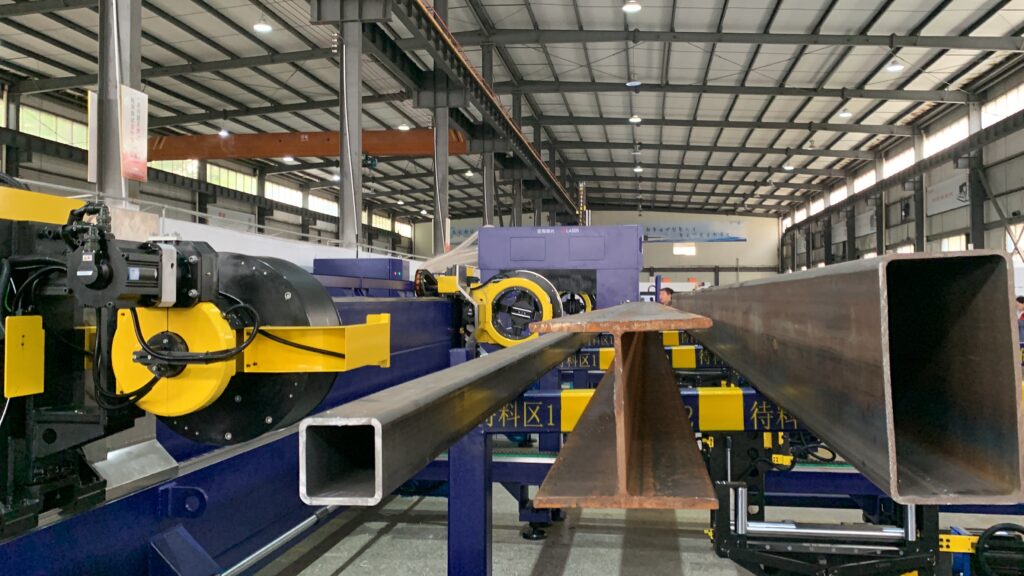
Automatic loading is worth evaluating when the same tube sizes run in repeat batches, when the laser regularly waits for stock, or when long and heavy tubes are difficult to transfer. The right configuration depends on how material reaches the machine, how often the shop changes tube sizes, and what happens to the finished parts […]
Tube Laser Sample Cutting: What to Check Before Buying

A tube laser sample cutting test should help you answer a practical question: can the proposed machine and process produce parts that meet your production requirements? A finished sample shows the result of one test. To judge whether that result is relevant to your workshop, you also need to understand the drawing requirements, material, machine […]
Plate and Tube Laser Cutting for Steel Structure Manufacturing in Türkiye

A steel structure manufacturer in Türkiye has installed two 20 kW laser cutting machines to support thick-plate, H-beam and large-tube processing. The installation combines a plate laser cutting machine with a tube laser cutting machine. Both are configured for bevel cutting. Installation and operator training have been completed, and the equipment is now in production. […]
How to Choose a Plate Laser Working Area for Your Sheet Sizes
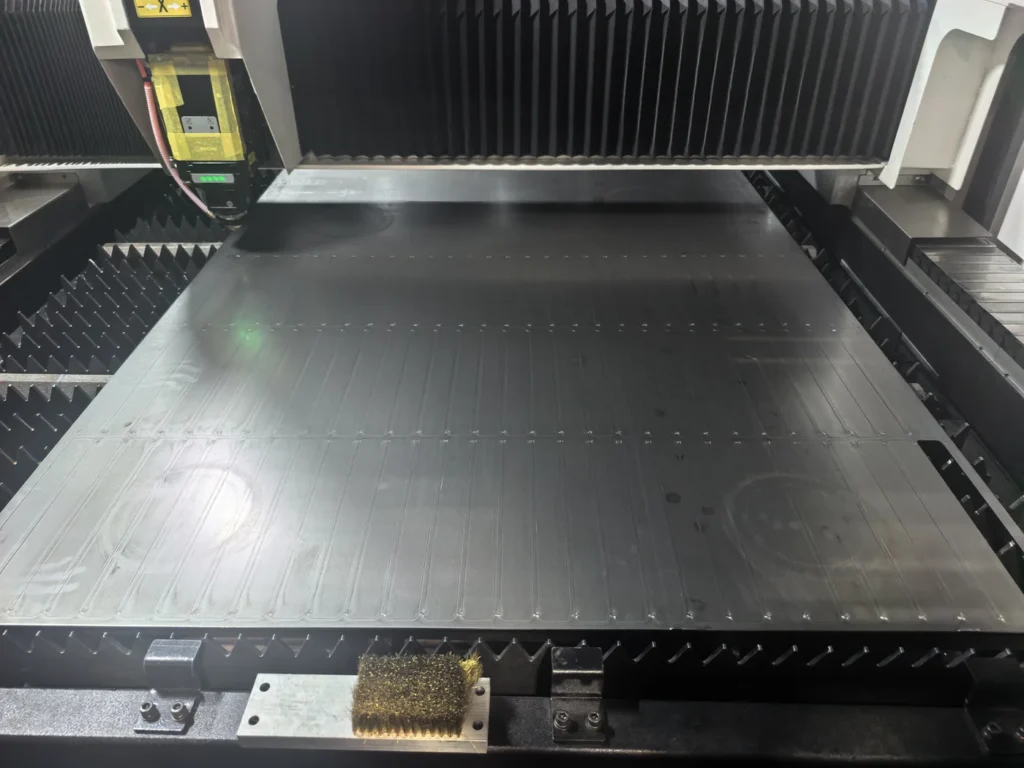
Choosing a plate laser cutting machine starts with a practical question: will the proposed working area accommodate the sheets and parts you actually process? A model name helps identify a machine, but it is not a substitute for confirmed working dimensions. Review sheet width and length, part layouts, positioning requirements and material handling before selecting […]
12 kW JQ-1530HP in Operation at a U.S. Metal Fabrication Shop
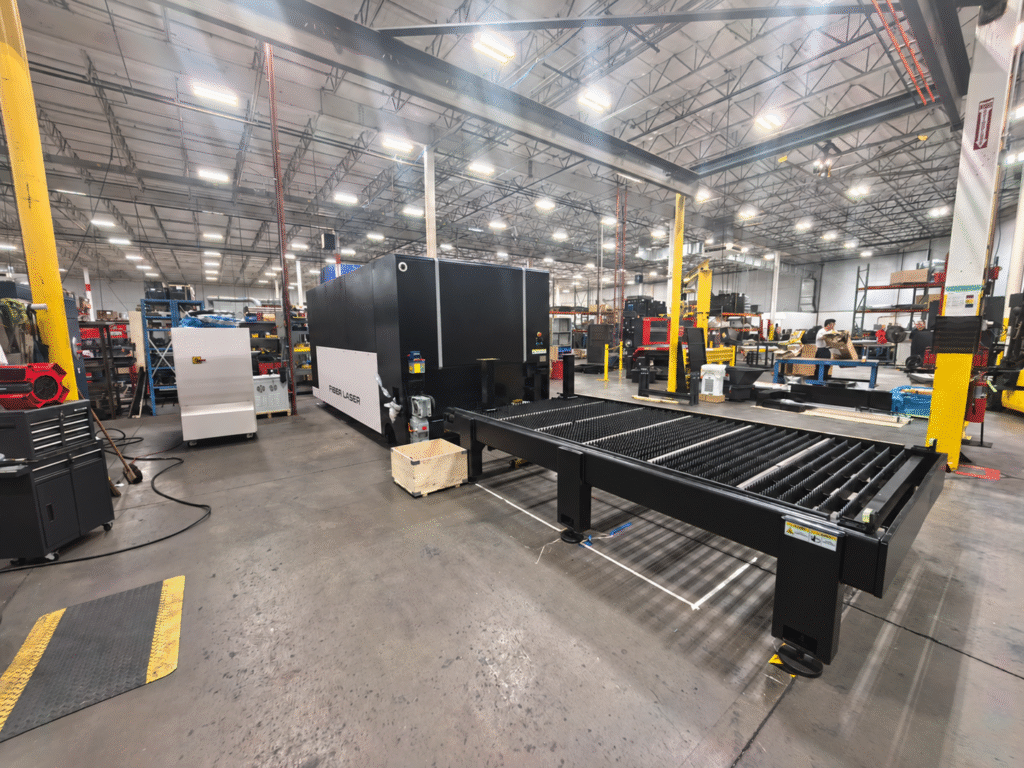
A U.S. metal fabrication customer has put a 12 kW JQ-1530HP plate laser cutting machine into production following delivery, installation and operator training. The customer processes metal parts according to end-customer drawings, serving a variety of applications rather than manufacturing one fixed product. For this type of business, equipment selection needs to consider the incoming […]
What Information Should You Prepare for a Tube Laser Quotation?
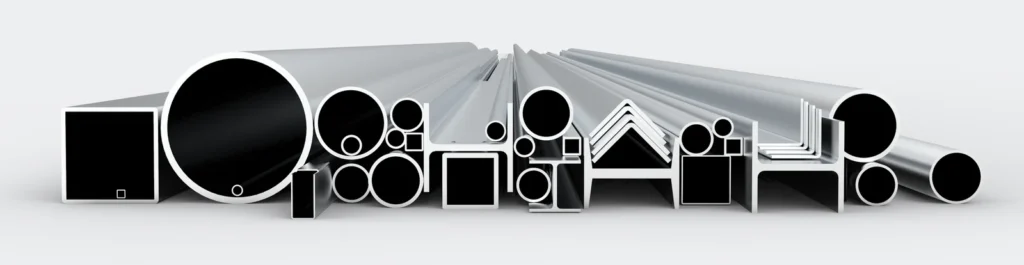
A useful tube laser quotation starts with the parts you need to produce. Tube dimensions, materials, part geometry and handling requirements all influence the proposed configuration. Preparing this information helps you compare quotations on a consistent basis. It also reduces the chance of overlooking equipment, software or services your production requires. You do not need […]
How to Choose a Heavy-Duty Tube Laser Cutting Machine
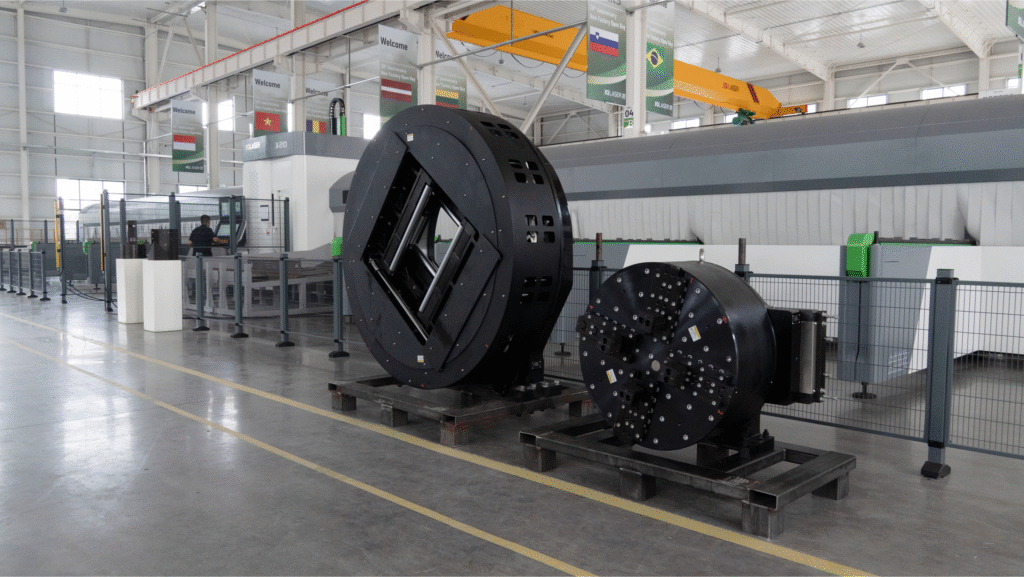
A heavy-duty tube laser cutting machine should be selected around the material you handle and the parts you deliver. Maximum tube diameter and laser power are useful starting points, but they do not tell you whether a system can load a long, heavy tube, support it throughout cutting and unload the finished components reliably. For […]