
A useful tube laser quotation starts with the parts you need to produce. Tube dimensions, materials, part geometry and handling requirements all influence the proposed configuration.
Preparing this information helps you compare quotations on a consistent basis. It also reduces the chance of overlooking equipment, software or services your production requires.
You do not need every detail before making an inquiry. Start with your most common parts and clearly identify anything that still needs confirmation.
1. Materials and Tube Profiles
List the materials you regularly process, such as carbon steel, stainless steel or aluminum. Include the material grade where known.
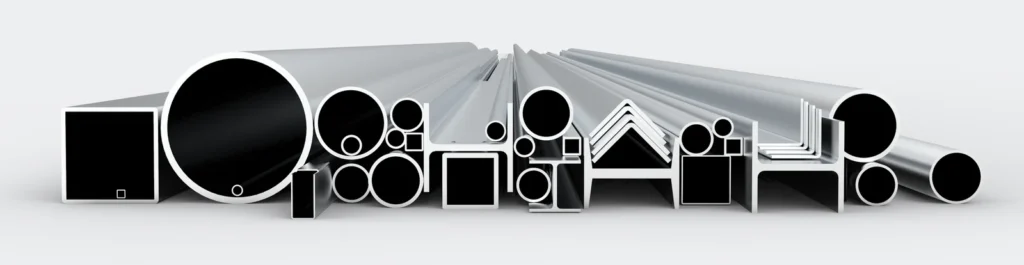
Identify the profiles you need to cut:
- Round tubes
- Square tubes
- Rectangular tubes
- Other closed or open sections
For special profiles, provide a section drawing. Mention coatings or surface conditions that may affect processing.
This information helps the supplier review the cutting process, clamping and support requirements. A machine suitable for round tubes should not automatically be assumed suitable for every other profile.
2. Tube Dimensions, Wall Thickness and Weight
For round tubes, specify the outside diameter. For square and rectangular tubes, provide the outside width and height. State the wall thickness separately.
Include your smallest and largest sizes, but also identify the dimensions you process most frequently. Occasional large workpieces may require a different configuration from your regular production.
Provide the maximum weight of a single stock tube where available. If you only know the weight per meter, include that figure together with the stock length.
When reviewing specifications, clarify whether a stated load capacity refers to a single tube, an individual chuck or the material-handling system. These figures should not be treated as interchangeable.
3. Stock Length and Finished-Part Length
Specify both the length of the material entering the machine and the length of the finished parts leaving it.
Producing many short components creates different handling requirements from producing long structural parts. These requirements affect loading, support, unloading and part collection.
Include:
- Your usual stock length
- Any occasional longer stock
- The shortest and longest finished parts
- How finished parts should be collected or transferred
- Any restrictions on remnant length or material utilization
If material savings are part of the proposed solution, ask the supplier to explain the assumptions. Remnant length and material utilization depend on the configuration, stock lengths, part layout and operating conditions.
4. Representative Part Drawings
Share drawings that reflect your normal production. Include a more demanding part if it could affect machine selection.
Show the required features, including:
- Holes and slots
- End profiles and angled cuts
- Bevels, where required
- Critical dimensions and tolerances
- Features used for welding or assembly
Ask which drawing formats the supplier can review. If detailed files are not ready, begin with dimensioned sketches and clear photographs.
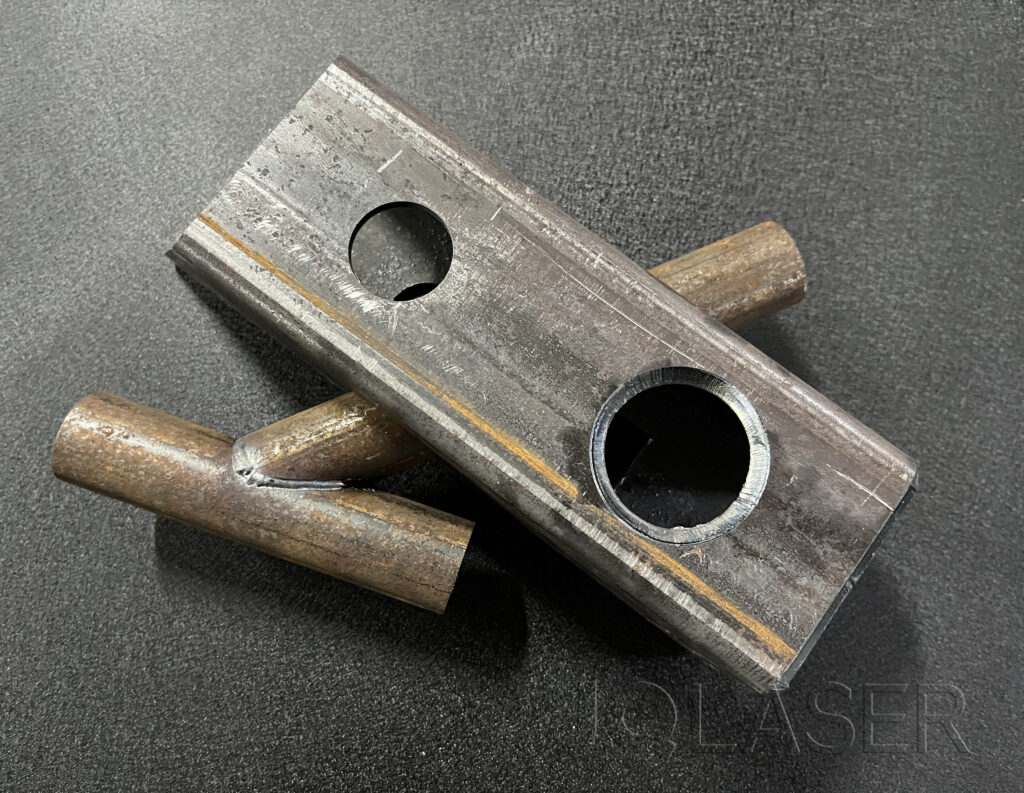
Drawings also provide a basis for discussing sample cutting. Any comparison of cycle time or cut quality should identify the material, dimensions, equipment configuration and test conditions.
5. Production Volume and Batch Pattern
Expected output matters, but a monthly quantity alone does not describe the full production requirement.
Explain whether you manufacture repeated batches, small mixed orders or frequently changing parts. Include:
- Typical batch sizes
- Number of production shifts
- Frequency of material and size changes
- Your current cutting and preparation steps
- Time spent loading, repositioning and collecting parts
- Planned changes in production volume or product range
This helps the supplier assess where automation may be useful. Automatic loading and unloading should be evaluated against your stock, batch pattern and factory layout rather than assumed to deliver a fixed labor saving.
6. Workshop Layout and Installation Conditions
Share a simple workshop layout if one is available. Show the proposed machine position, material storage, loading access and finished-part collection area.
Discuss how material will move through the workspace. Include any restrictions involving doors, columns, lifting equipment or access for installation and maintenance.
Ask for the installation requirements of the proposed configuration, including:
- Electrical supply
- Assist gas supply
- Extraction requirements
- Floor and foundation conditions
- Installation access
- Space for operation and maintenance
Have the relevant site personnel confirm these requirements before ordering.
7. Software, Training and Delivery Scope
Two quotations may cover different software, handling equipment and services, even when the machines appear similar.
Provide the destination country and city, then ask the supplier to identify what is included in the offer:
- Programming and nesting software
- Optional software modules
- Loading and unloading equipment
- Delivery arrangements
- Installation and commissioning
- Operator and maintenance training
- Warranty coverage
- Spare-parts support
Ask for included items, options and customer responsibilities to be listed separately. This makes it easier to compare the complete proposed solution.
Tube Laser Quotation Checklist
Copy this checklist into your inquiry. Write “to be confirmed” where information is not yet available.
- Company and delivery location:
- Materials and grades:
- Tube profiles:
- Outside dimensions:
- Wall thickness range:
- Usual stock length:
- Maximum single-stock weight:
- Finished-part length range:
- Representative drawings or sketches:
- Required cuts, bevels and tolerances:
- Typical batch size and production volume:
- Loading and unloading requirements:
- Workshop layout or space restrictions:
- Software, training and service requirements:
- Planned purchasing timeframe:
Compare the Configuration, Not Only the Price
Before comparing offers, check that each quotation covers the same application requirements and delivery scope.
Review the processing range, material handling, software, installation and support arrangements. Ask the supplier to record important assumptions and exclusions in writing.
For parts that are critical to your purchase decision, discuss a suitable cutting demonstration or test. Agree on the material, drawing, configuration and acceptance criteria so the results are relevant to your production.
Explore the JQ Laser tube laser cutting machine range to begin your model review. You can also visit the i6 and i20 product pages. Final suitability should be checked against the configuration and your actual application.
Request a Tube Laser Configuration Review
Send JQ Laser your material list, tube dimensions, wall thicknesses, stock lengths and representative drawings. Include your production needs and destination country so our team can review your requirements and discuss a suitable configuration.
